


Recent Events
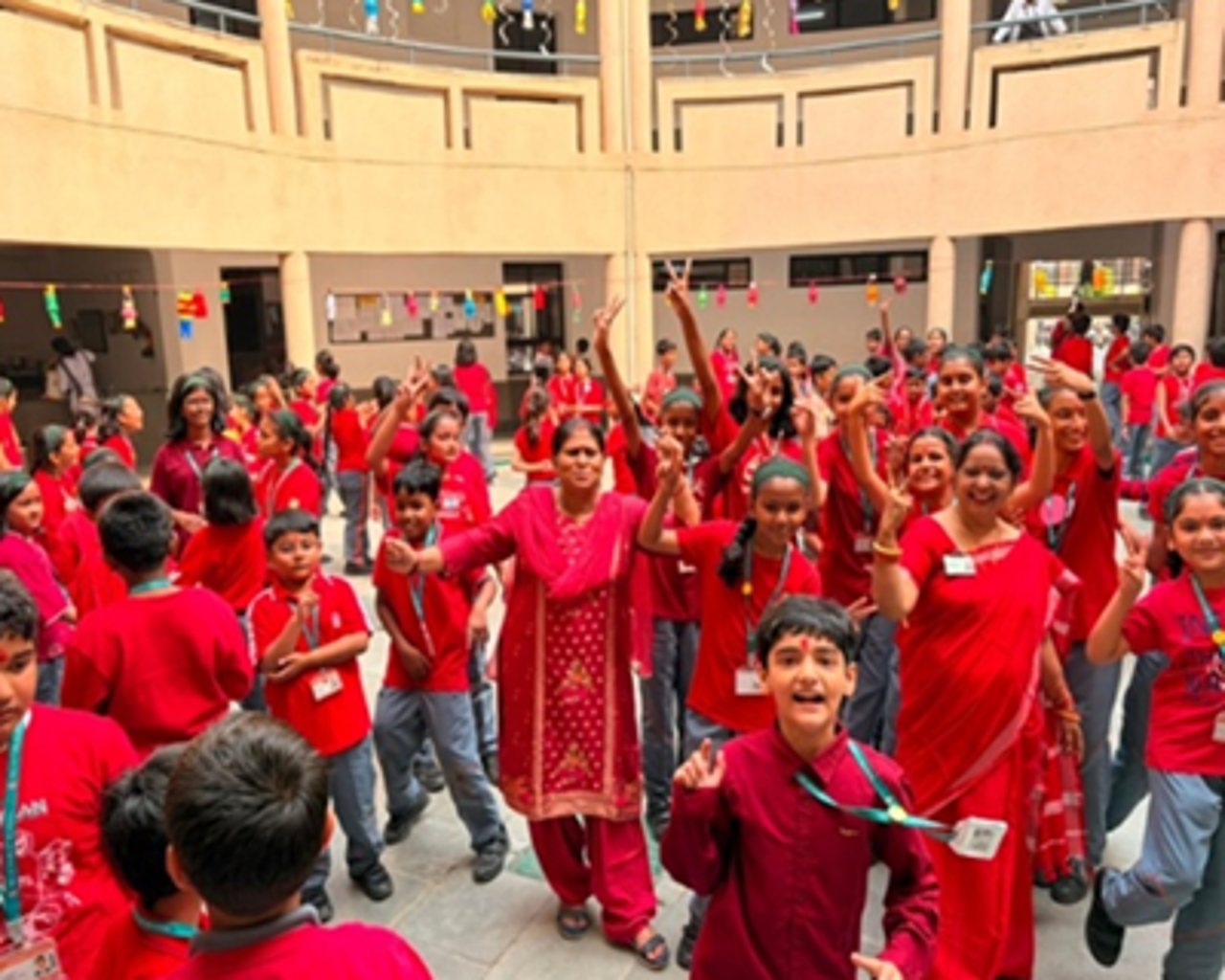
13 Nov 2026
Bal Sangam
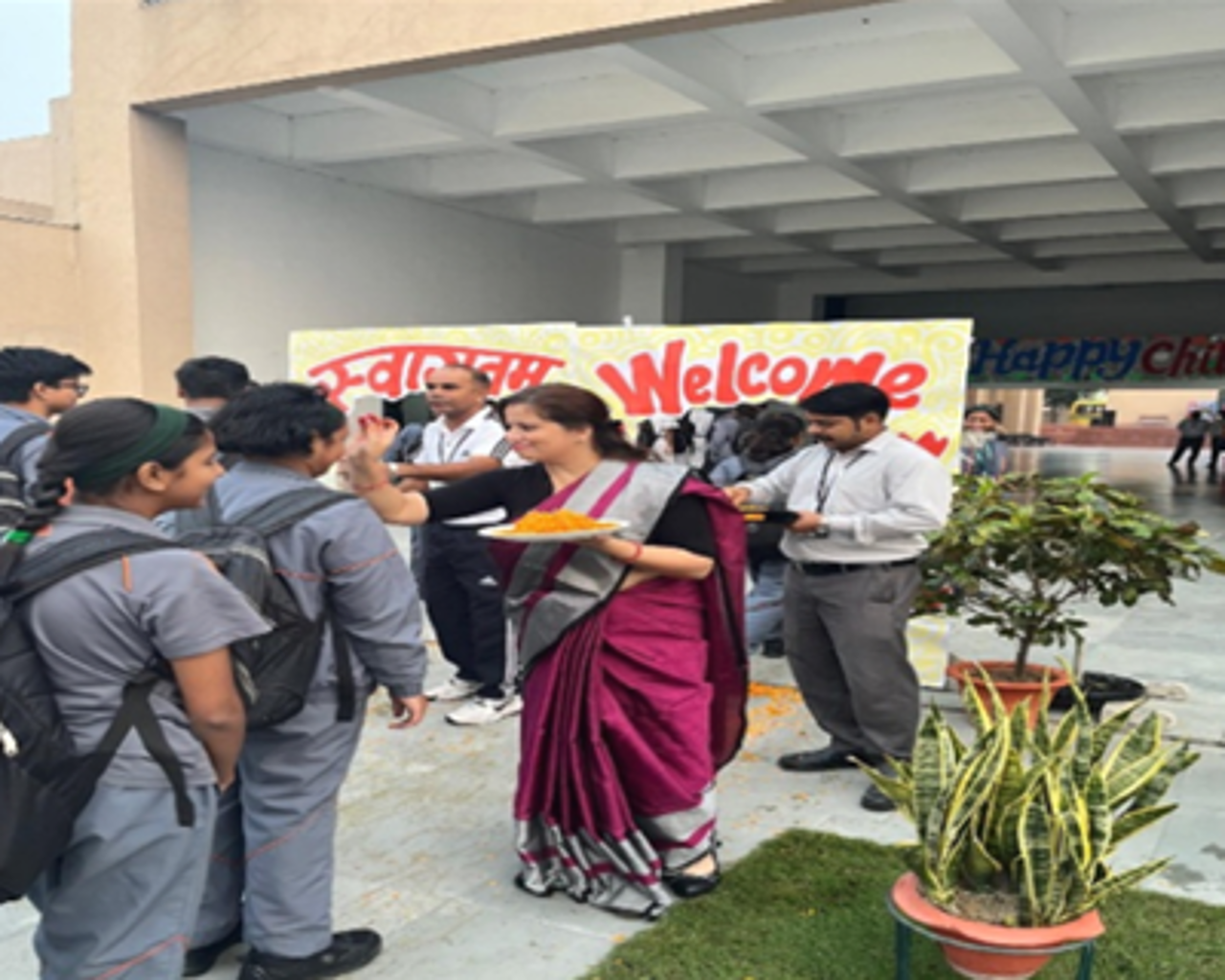
13 Nov 2026
Children’s Day Celebration
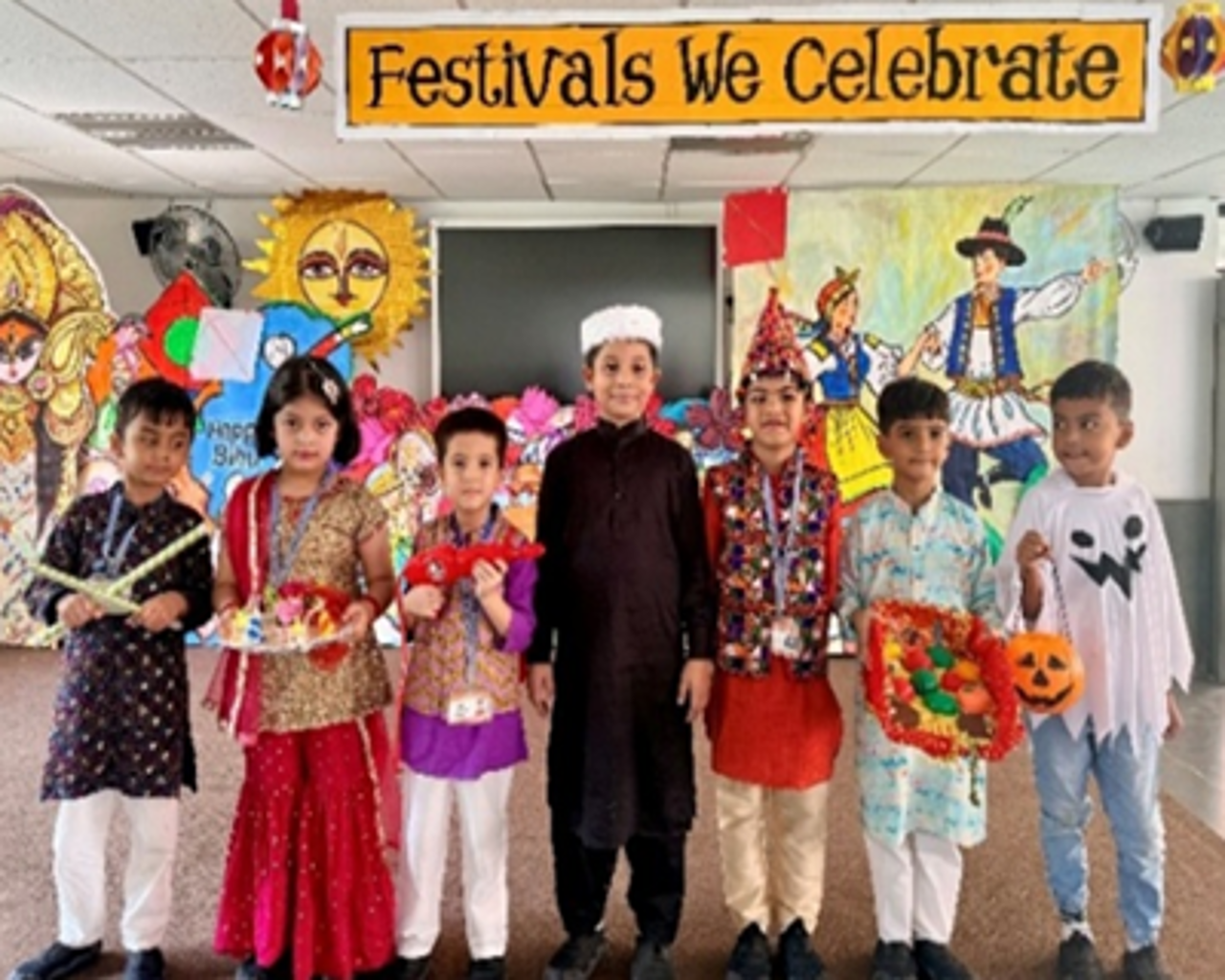
22 Oct 2026
Festivals We Celebrate
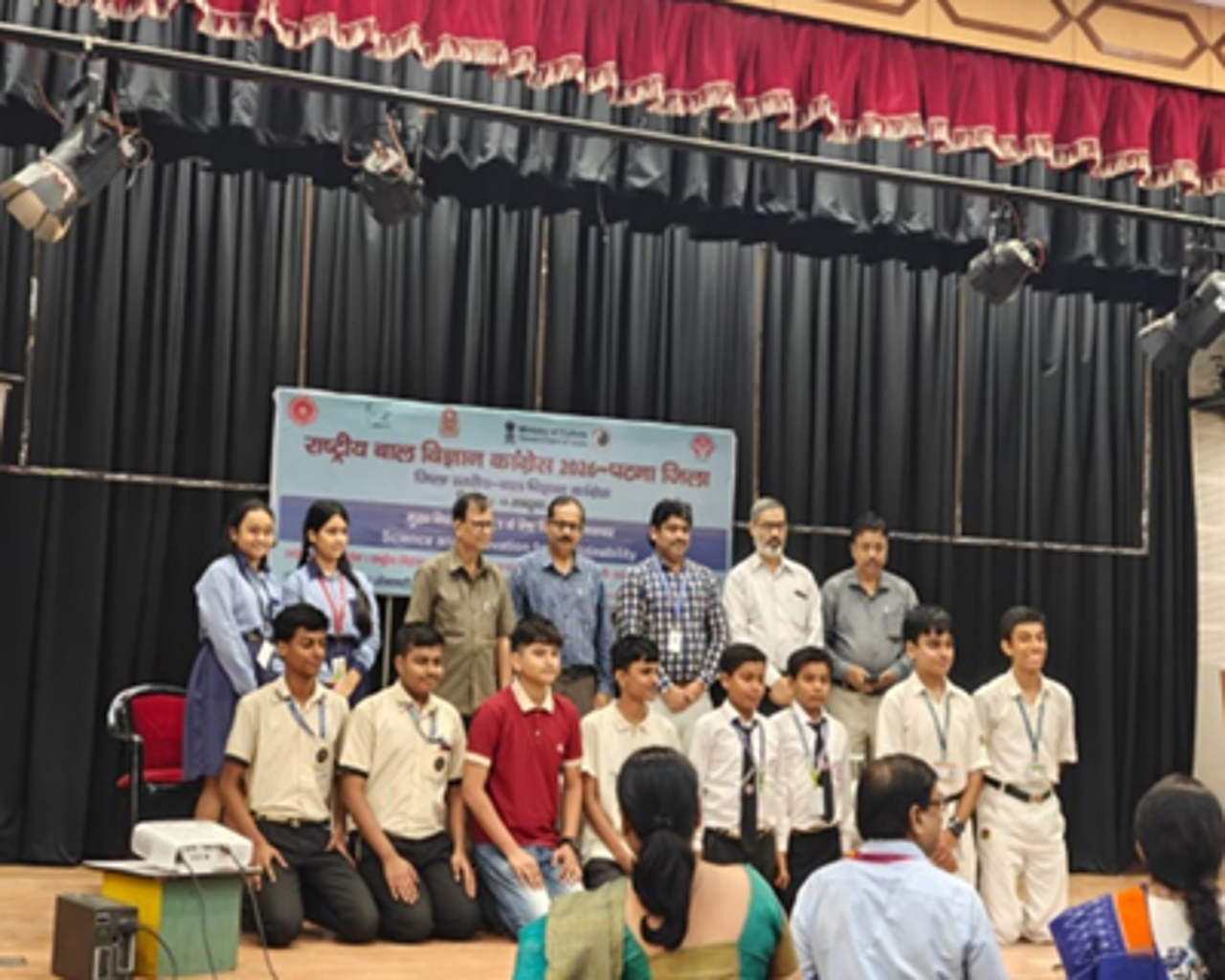
14 Oct 2026
National Children’s Science Congress (NCSC) 2026
14 Oct 2026
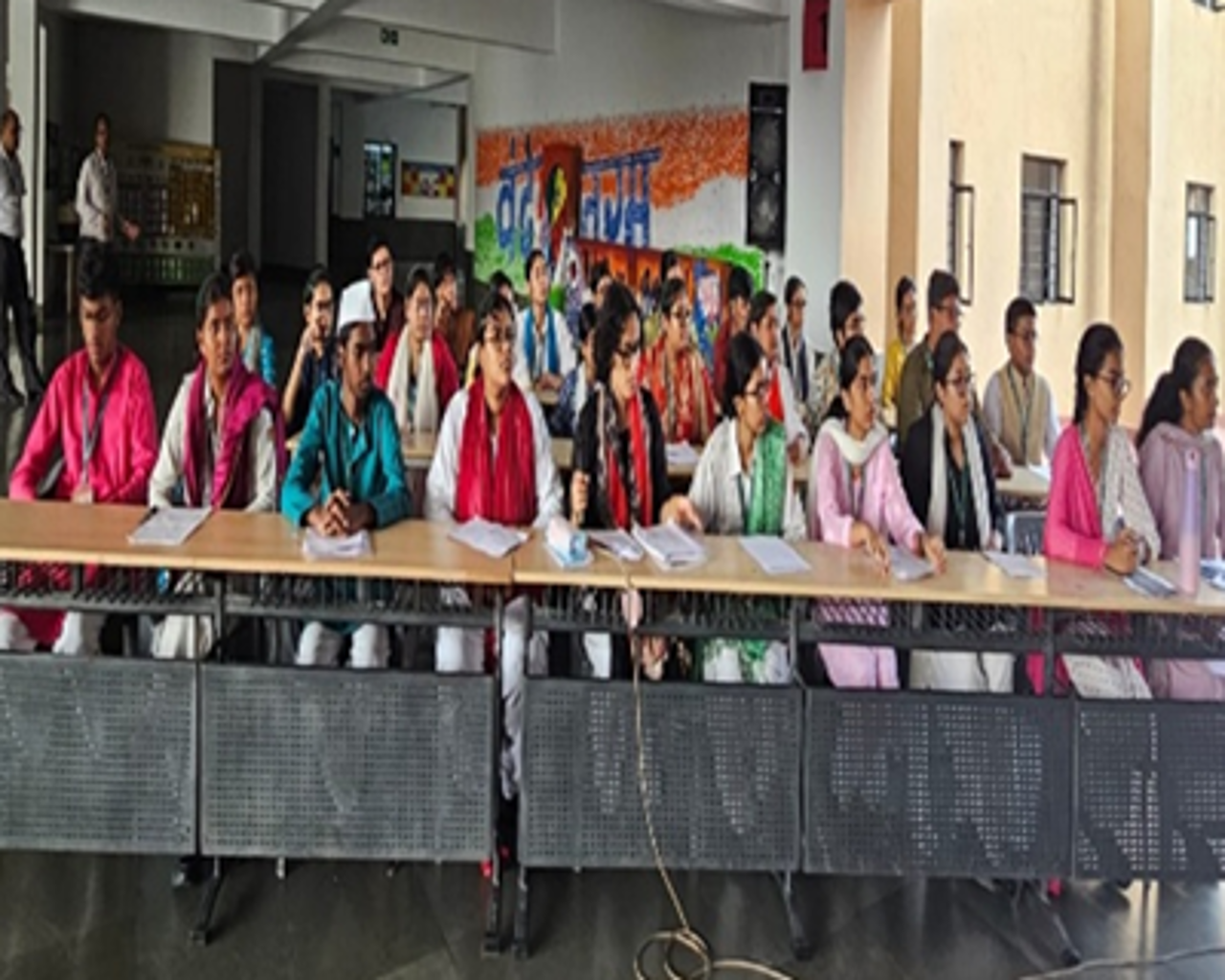
Model Parliament
02 Oct 2026
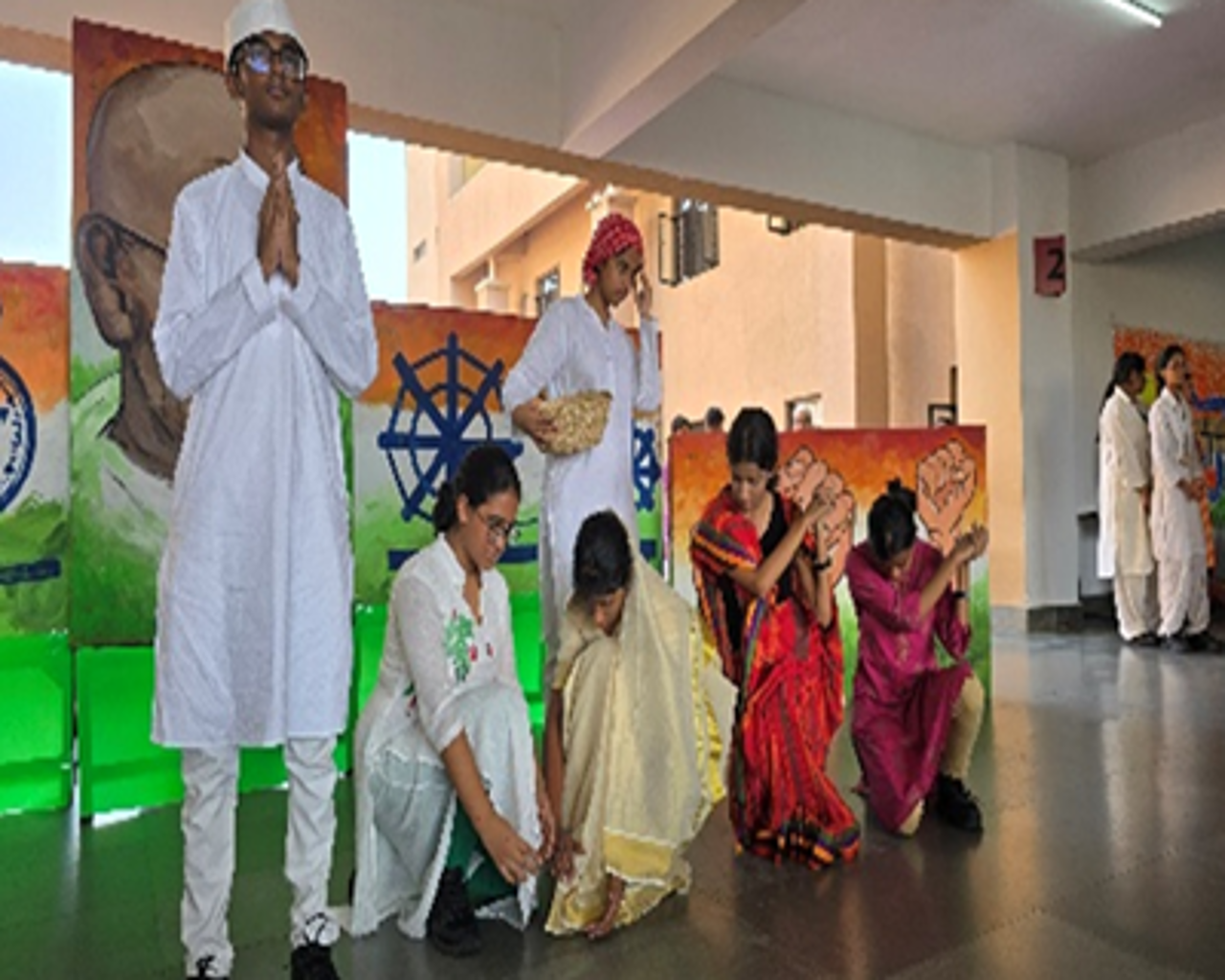
Gandhi Jayanti Celebration 2026
Model Parliament
The Humanities Department of Delhi Public School Patna organised a Model Parliament for Classes XI-XII to familiarise students with the functioning of Parliament and provide practical exposure to democratic procedures, parliamentary conventions, legislative debates, and ministerial accountability. The activity aimed to help students understand how Parliament facilitates discussion, examines government policies, and makes decisions through established constitutional procedures. The proceedings commenced with the Speaker taking the Chair and formally declaring the agenda of the House. The parliamentary seating arrangement reflected the structure of the Lok Sabha, with the Prime Minister and Council of Ministers occupying the Treasury Benches and the Opposition members seated opposite them.
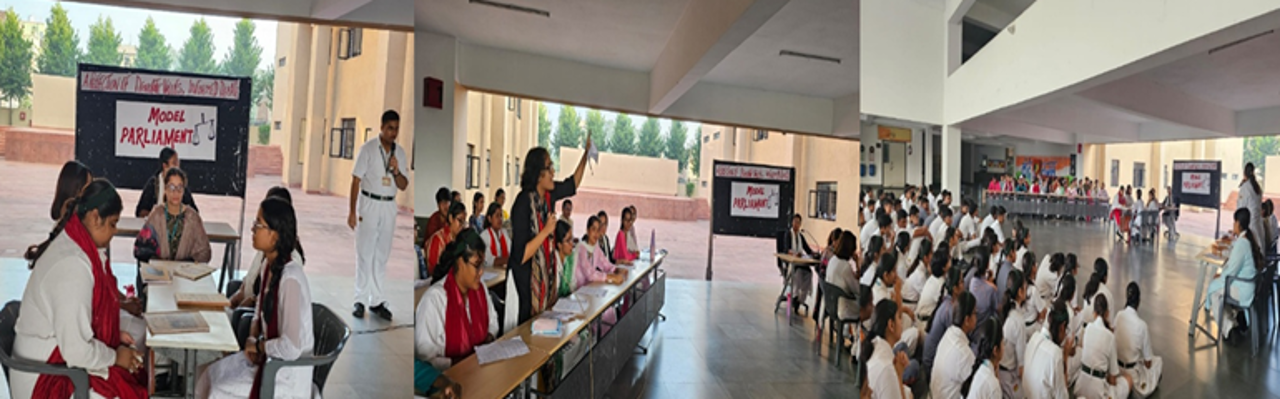
The House began with Question Hour, during which members raised questions concerning the functioning of various ministries. The concerned Ministers responded to the questions, explaining their respective policies, programmes, and initiatives. Supplementary questions provided members with opportunities to seek further clarification, examine the government's position, and hold the executive accountable. These exchanges familiarised students with the significance of parliamentary scrutiny and transparency in governance. Following Question Hour, the House proceeded to the main agenda. The Minister of Skill Development and Entrepreneurship introduced the Bill for consideration, explaining its objectives, significance, and anticipated benefits. The government presented its opening statement, outlining the rationale behind the proposed legislation and highlighting the need for the measures contained in the Bill. Members of the Opposition and other participants subsequently expressed their views on the proposed legislation. They raised concerns, questioned aspects of the government's approach, and presented alternative perspectives. The debate provided an opportunity for students to understand that Parliament is a forum where different opinions are expressed and public policies are examined before decisions are taken.
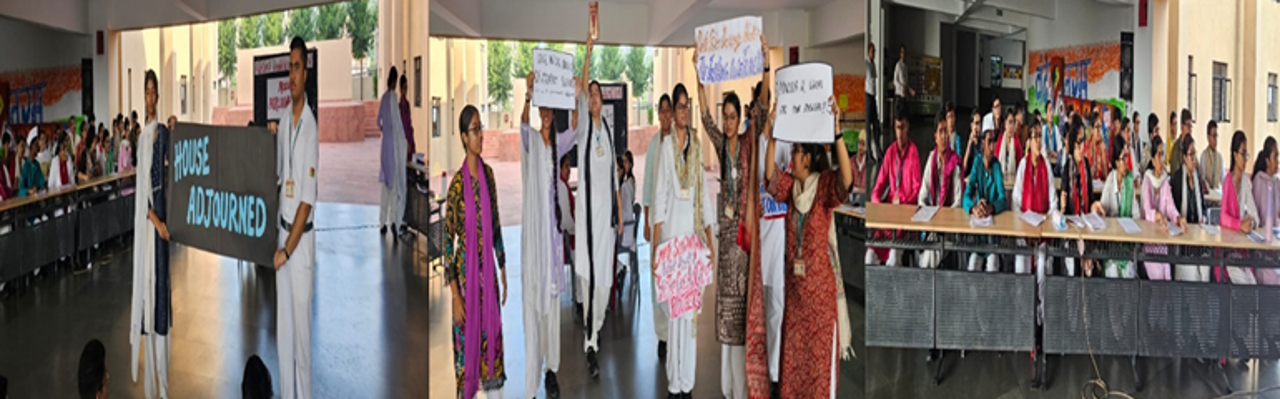
The concerned Minister responded to the arguments raised, clarified the government's position, and addressed the questions and objections put forward by the members. Further discussion and clarification followed, reflecting the importance of deliberation in the legislative process. After the debate, the Speaker put the Bill to vote. Members expressed their support or opposition through the prescribed voting procedure (Ayes and Noes). Following the voting, the Speaker announced that the Bill had been passed by the House, marking the culmination of the legislative deliberations. The announcement was followed by protests from Opposition members, who expressed their disagreement by entering into the well of the House. This development provided students with an opportunity to observe the intensity of parliamentary disagreements and understand the importance of maintaining order even during contentious proceedings. The episode underscored the need to balance the right to dissent with the responsibility to uphold parliamentary decorum and respect the authority of the Chair. With the scheduled business concluded, the Speaker formally adjourned the House, bringing the Model Parliament to an end. The Model Parliament offered students valuable experiential learning in public speaking, critical thinking, legislative procedures, and democratic participation. It reinforced the principles of accountability, constructive criticism, respect for opposing viewpoints, and responsible conduct in a democratic institution. The exercise demonstrated that parliamentary democracy is sustained not merely by debate and voting, but also by informed deliberation, procedural discipline, and respect for democratic conventions. The session concluded with the key lesson that an effective parliamentarian must be articulate in presenting arguments, responsible in exercising dissent, and disciplined in upholding the dignity of the House.
Ⓒ Copyright 2012-2026 Delhi Public School Patna | Designed & Maintained by Edunext Technologies Pvt. Ltd.