


Recent Events
27 Aug 2026
Class Presentation Preparatory
22 Aug 2026
Educational Visit to the India Meteorological Department
19 Aug 2026
BNI Astral Chapter Meeting Cum “Live Business Lab”
15 Aug 2026
80 वें स्वतंत्रता दिवस के पावन अवसर पर भव्य समारोह का आयोजन
13 Aug 2026
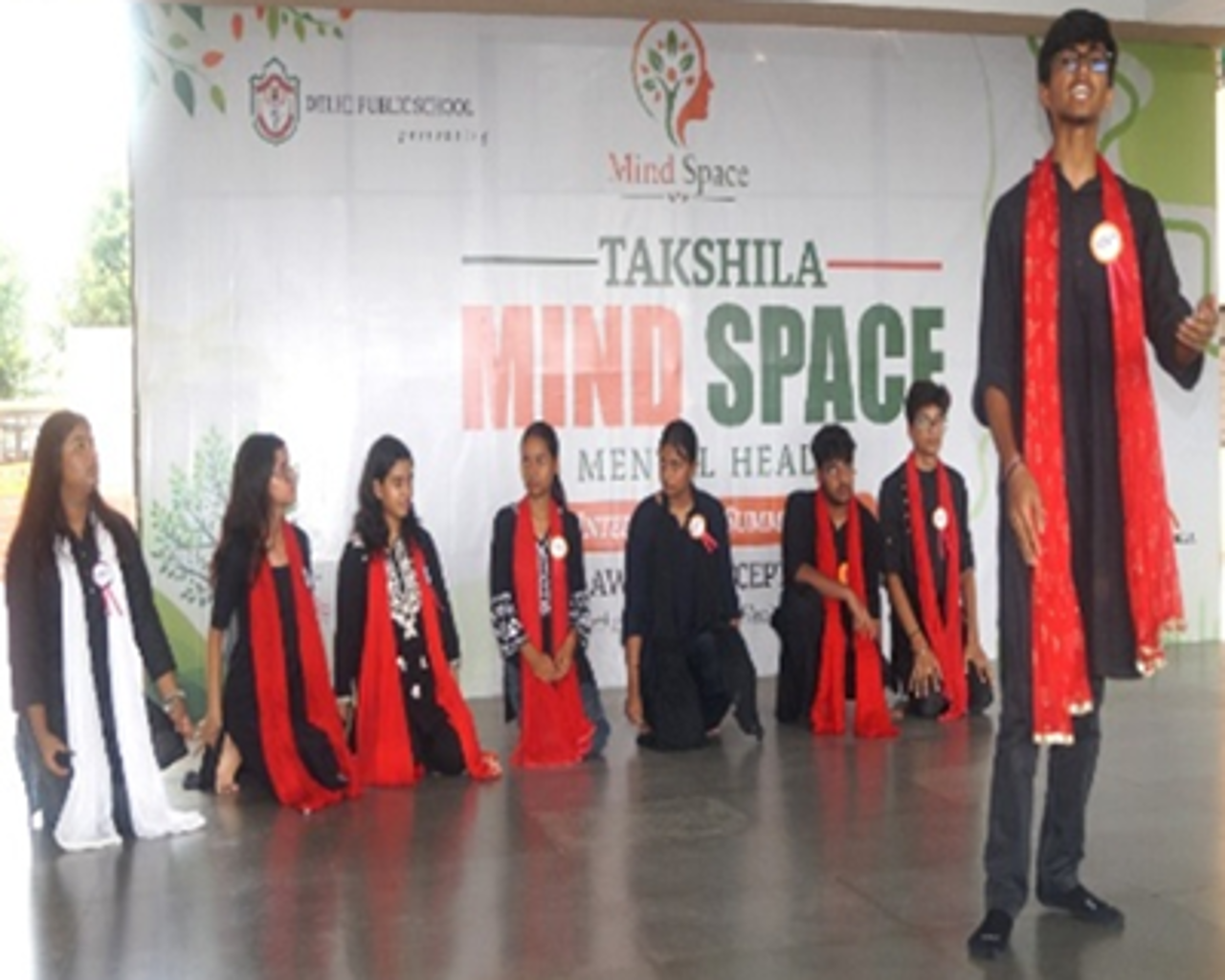
Takshila ‘Mind Space’ Inter-School Mental Health Summit 2026
03 Aug 2026
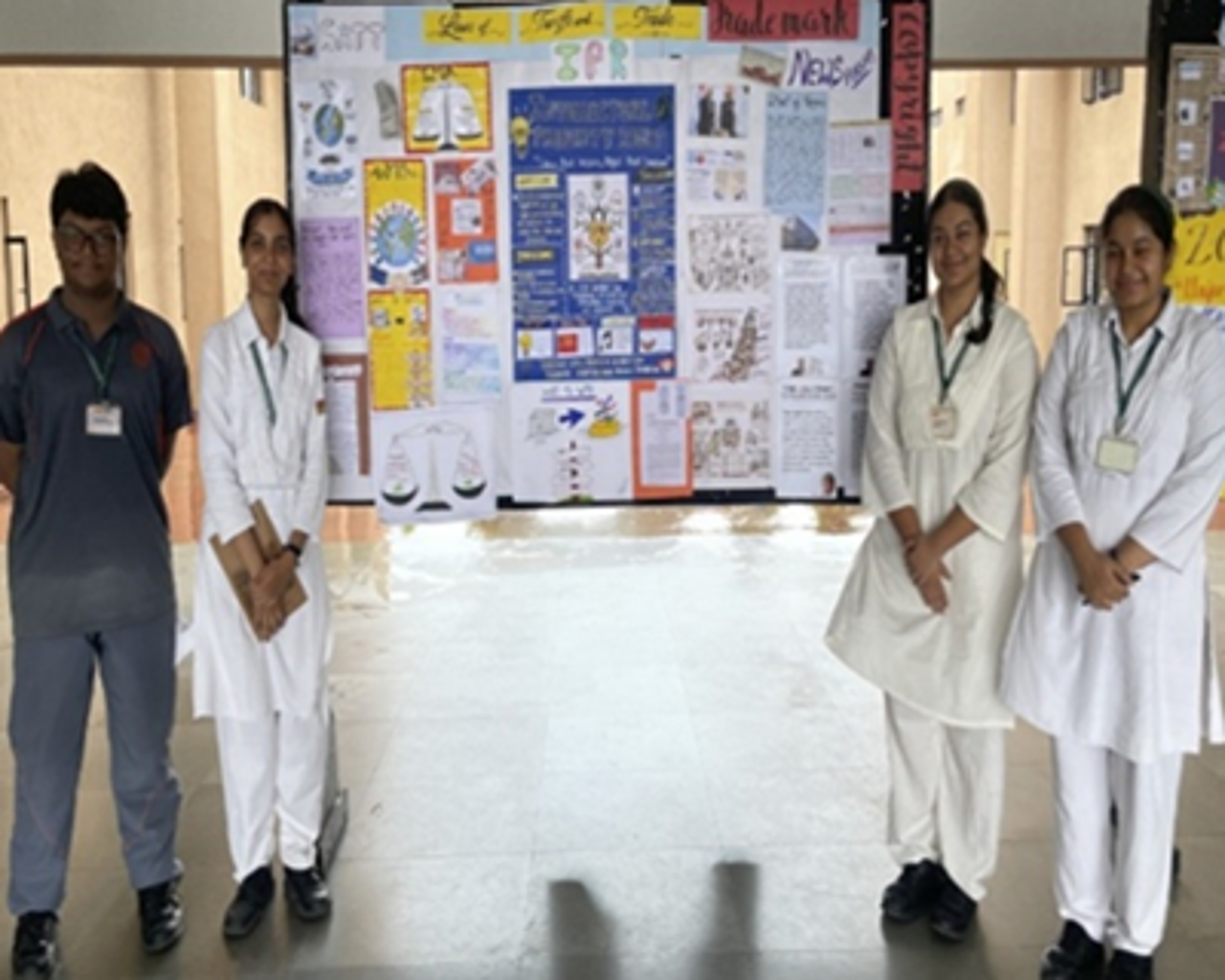
Commerce Day Celebration
Educational Visit to the India Meteorological Department
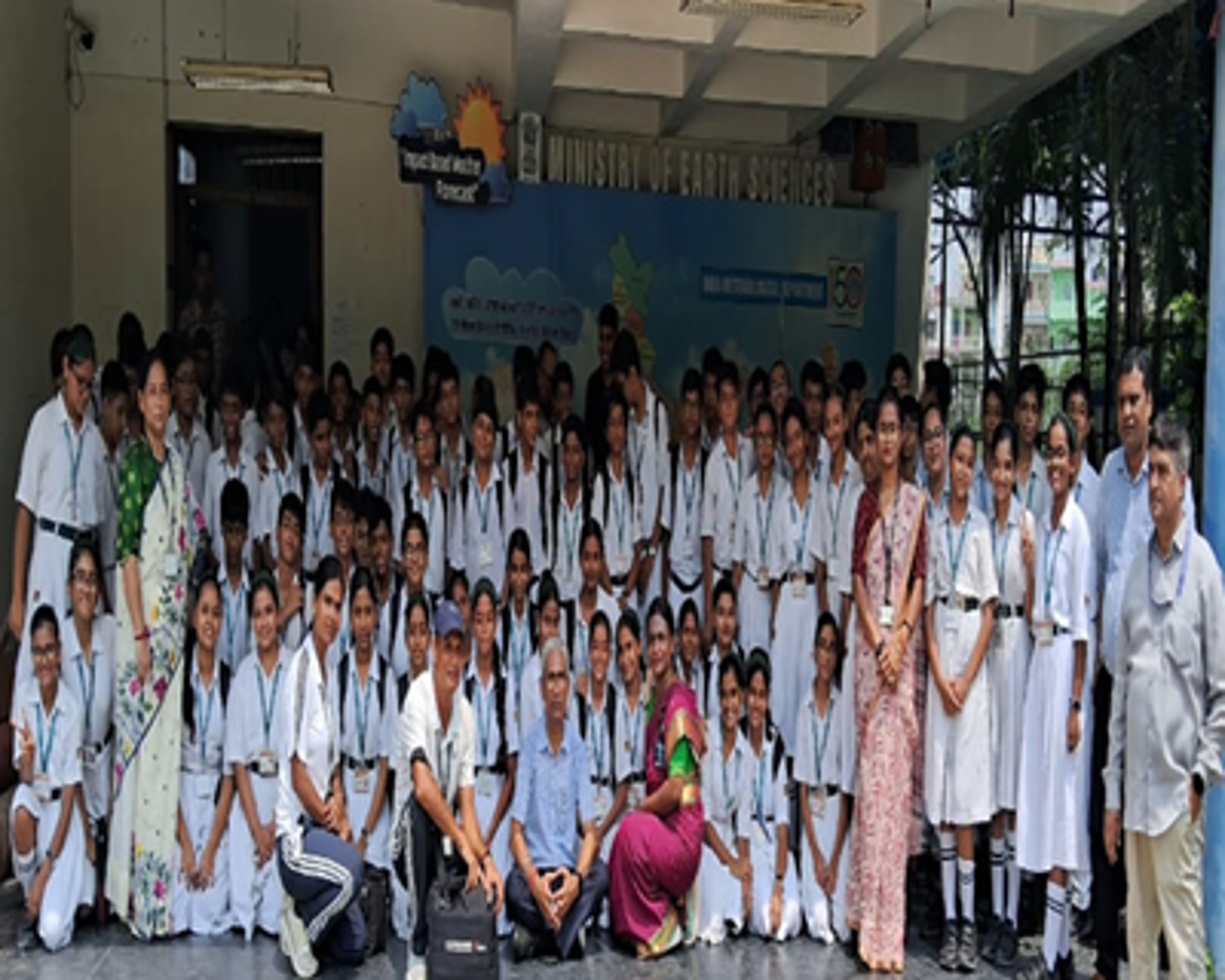
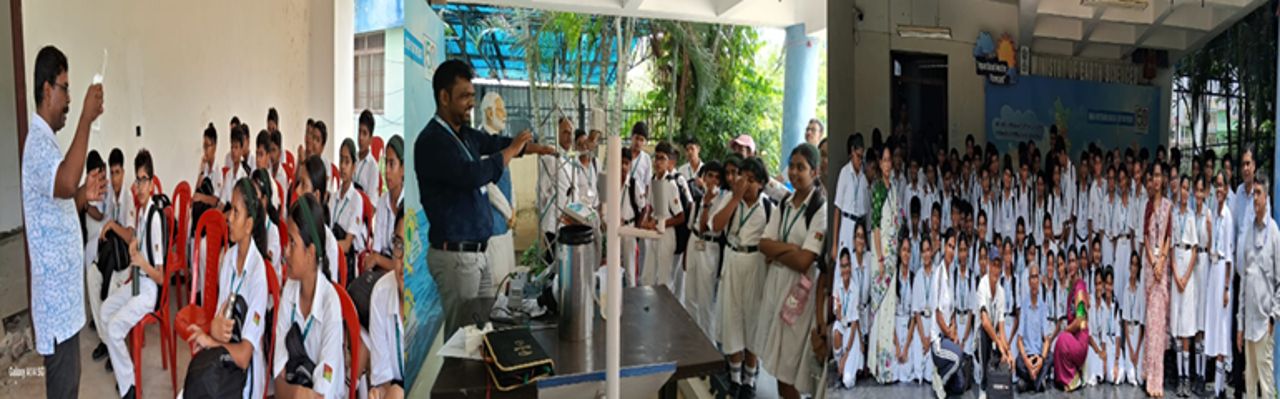
An educational visit to the India Meteorological Department (IMD) was organised for the students of Class VII on 22 August 2026 by the Department of Social Science. The visit was planned to provide students with practical exposure to the process of weather observation, measurement and forecasting. It also helped students connect concepts studied in Science and Social Science with their practical applications. During the visit, students were introduced to various meteorological instruments and learned about the different factors used to understand and predict weather, including temperature, humidity, wind speed and direction, cloud conditions and solar radiation. A key highlight of the visit was the demonstration of cloud monitoring. Students were shown how cloud images are captured and displayed using technology. They learned that such observations help meteorologists estimate the possibility of rainfall and prepare weather forecasts. Students were also introduced to the radiosonde, a small instrument package carried into the atmosphere by a weather balloon. They learned that the radiosonde uses GPS and collects information such as temperature, humidity, wind speed, wind direction and altitude.
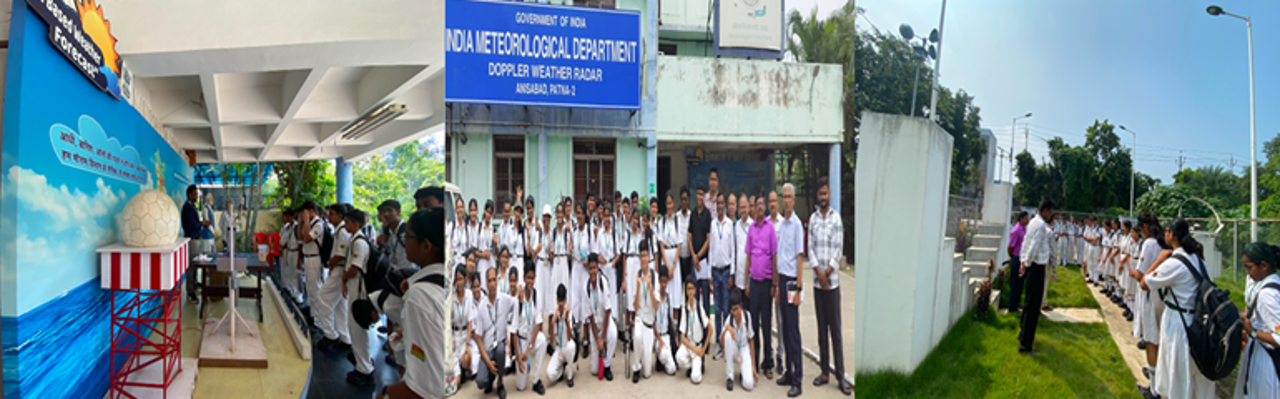
The data is transmitted to the ground station and helps meteorologists study atmospheric conditions at different heights. Students were particularly interested to learn that the balloon moves with the wind and can travel at considerable speeds depending on atmospheric conditions.The students also observed several important weather instruments. The sunshine recorder is used to measure the duration of bright sunshine, while radiation sensors measure different forms of solar radiation, including direct and diffuse radiation and UVA and UVB radiation. The Stevenson screen was explained as an enclosure that protects temperature and humidity instruments from direct sunlight and rain while allowing free air circulation. Students also learned about the hygrograph, which records changes in atmospheric humidity. Another important learning from the visit was the relationship between temperature and altitude. Students learned that temperature generally decreases as altitude increases. This helped them understand why atmospheric conditions can vary significantly at different heights.
Key Learning Outcomes
The visit helped students understand that:
1. Weather observations require accurate scientific instruments.
2. Radiosondes and weather balloons are used to collect atmospheric data.
3. GPS helps determine the position and altitude of the radiosonde.
4. Wind speed, wind direction, temperature and humidity vary with atmospheric conditions and altitude.
5. Cloud observations help in estimating the possibility of rainfall.
6. Solar radiation can be measured using specialised instruments.
7. Weather forecasting involves collecting and analysing large amounts of scientific data.
The visit also helped students understand the importance of accurate weather forecasting in everyday life. Weather information is useful for farmers, pilots, fishermen, transport services, disaster management authorities and the general public, particularly during events such as heavy rainfall, cyclones, storms and heat waves.
Ⓒ Copyright 2012-2026 Delhi Public School Patna | Designed & Maintained by Edunext Technologies Pvt. Ltd.